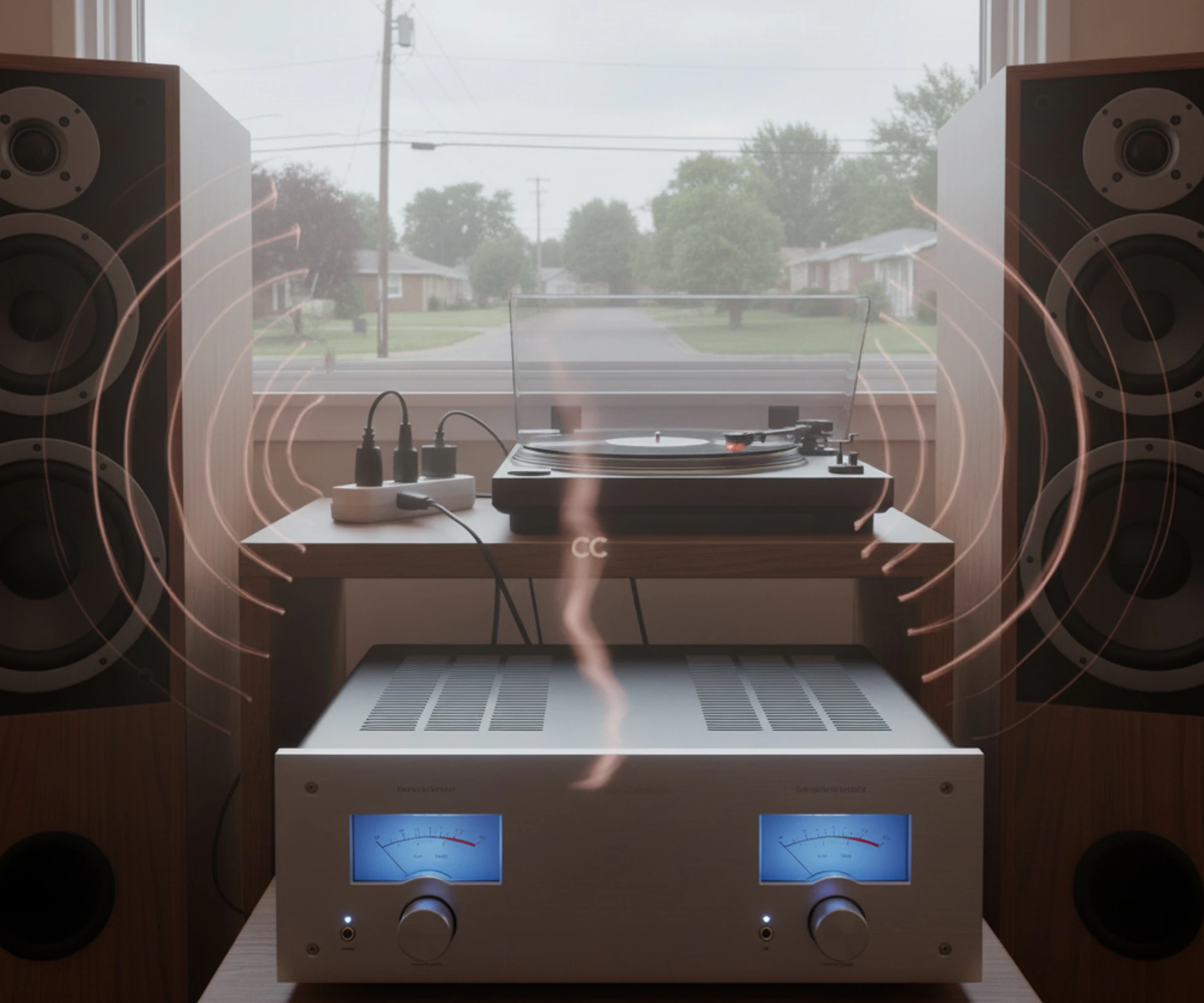
The growing presence of direct current (DC) in home electrical systems is taking its toll on high-fidelity (Hi-Fi) systems. What was once an almost trivial problem—minor distortions in the power supply—is now occurring more frequently and manifesting as background noise that does not originate from the speakers or the recording format, but rather from the electrical grid itself that powers the equipment.
The most discerning audiophiles notice how the silence between notes becomes filled with a subtle layer—and it’s not due to the stylus or the DAC; it’s due to electrical interference. This article explains why DC appears more intensely, how it can harm a hi-fi system, and what practical solutions exist to limit its effects.
Origins and What's Changing in Home Installation
To a large extent, the proliferation of switched-mode electronics and the widespread use of low-voltage devices have meant that the AC line is no longer the "balanced" signal we expected.
Wall chargers, switching power supplies for televisions and computers, dimmable lighting controllers, energy-efficient electronics in household appliances, solar inverters, and electric vehicle chargers—all of these devices affect the waveform of the voltage.
The result is a small DC component superimposed on the AC component—an offset that distorts the waveform. This offset alters the behavior of transformers in linear power supplies, causes increased heating, and disrupts the symmetry of the internal power supply to sensitive stages.
In addition, the CC contributes to uneven voltages between terminals and the ground, exacerbating the well-known ground-loop problems, with humming and intermittent noise that appear when you least expect them. It is not the only source of noise, but it is one that, until recently, had gone unnoticed.
How to Detect DC in What You Hear on Your Hi-Fi System
When a system plays music, its perceived quality depends as much on the musical information as on the silence surrounding it. Direct current does not necessarily generate an audible hum on its own, but it raises the electrical “ground” against which the equipment operates, causing microdetails to be attenuated and the sense of dynamics to be reduced.
In transformer-based stages, DC current creates current asymmetry, which manifests as increased thermal distortion and variations in frequency response. In output stages or headphone outputs, a DC component in the signal path can cause coils and diaphragms to heat up, with the risk that, over time, certain components may suffer premature wear.
There are specific solutions ranging from measurement to electrical intervention. The first step is to determine what the problem is. A power quality meter—or, as an initial step, tests with a multimeter and basic analysis—can indicate the presence of a DC component in the line.
Measures to Limit CC in the System
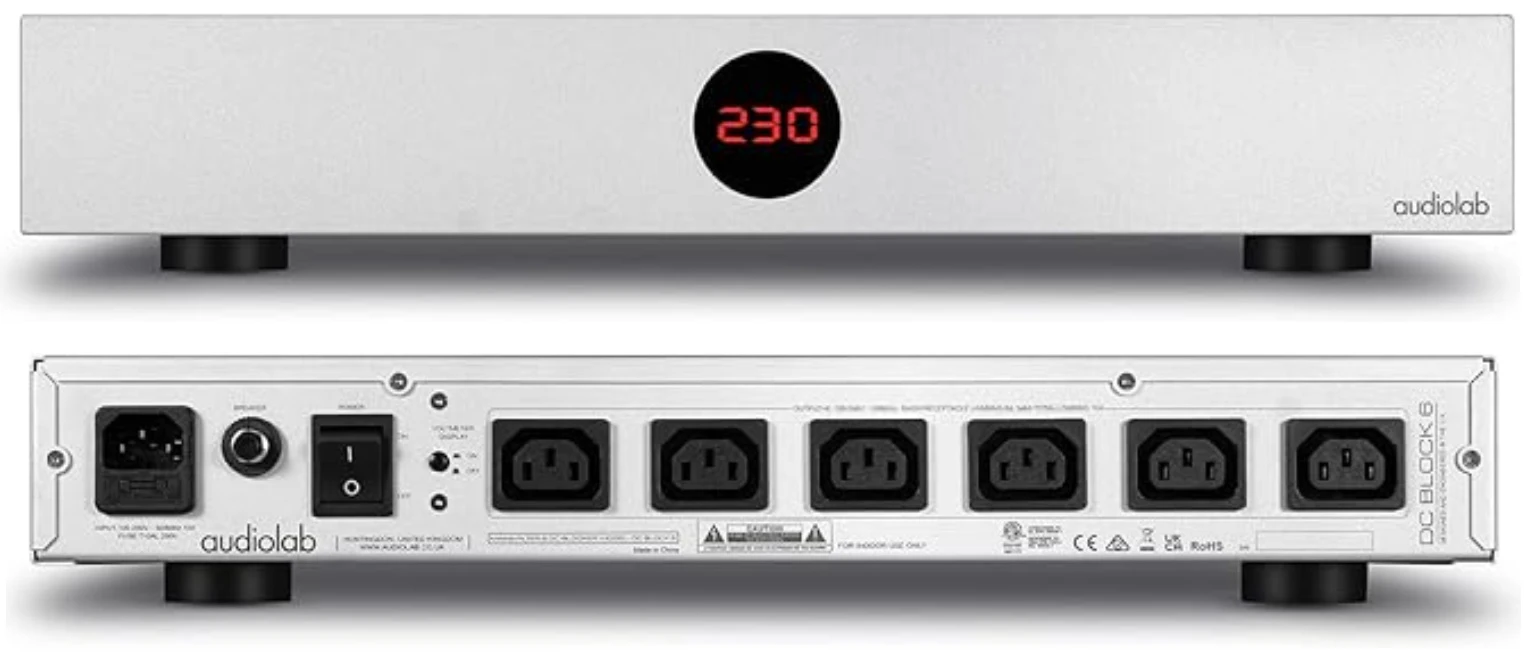
If, following testing, we have detected a DC component in the electrical grid, there are certain devices available to mitigate it, such as DC blockers designed to eliminate the DC offset in the main power supply; conditioners that integrate filtering and isolation transformers to create a “local” and cleaner AC outlet; or a dedicated branch circuit for the audio equipment, with its own wiring and protection, separate from the circuits that power appliances and lights.
It is also helpful to check whether the LED lights are improperly regulated or whether the chargers—which may be defective—are introducing noise that can be reduced by replacing them with higher-quality equipment.
For more extensive work, it’s best to have a qualified electrician install filters or neutralization solutions in accordance with regulations and your home’s setup. Yes, it may be an investment worth considering, but if you’ve spent several hundred euros on your Hi-Fi system and want faithful, distraction-free sound reproduction, it’s well worth it.