Home theater acoustic treatment starts by measuring RT60
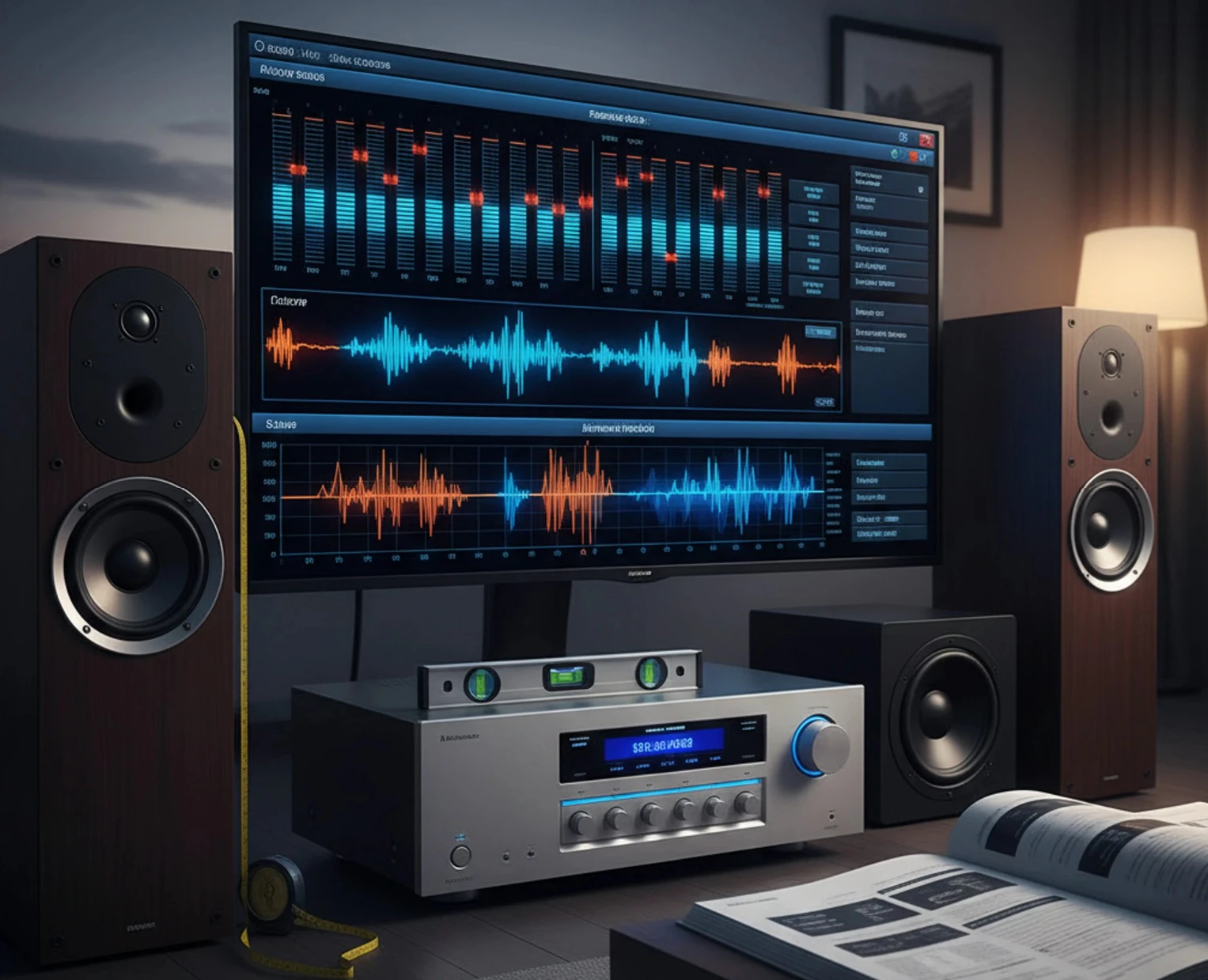
Home theater acoustic treatment

The upgrade that improves home theater sound the most won’t cost you a new speaker. It’s taming room reverberation until the RT60 sits between 0.2 and 0.4 seconds, the range where dialogue stays intelligible and effects sound tight. And the honest first move, before you spend a cent on panels, is to measure how much
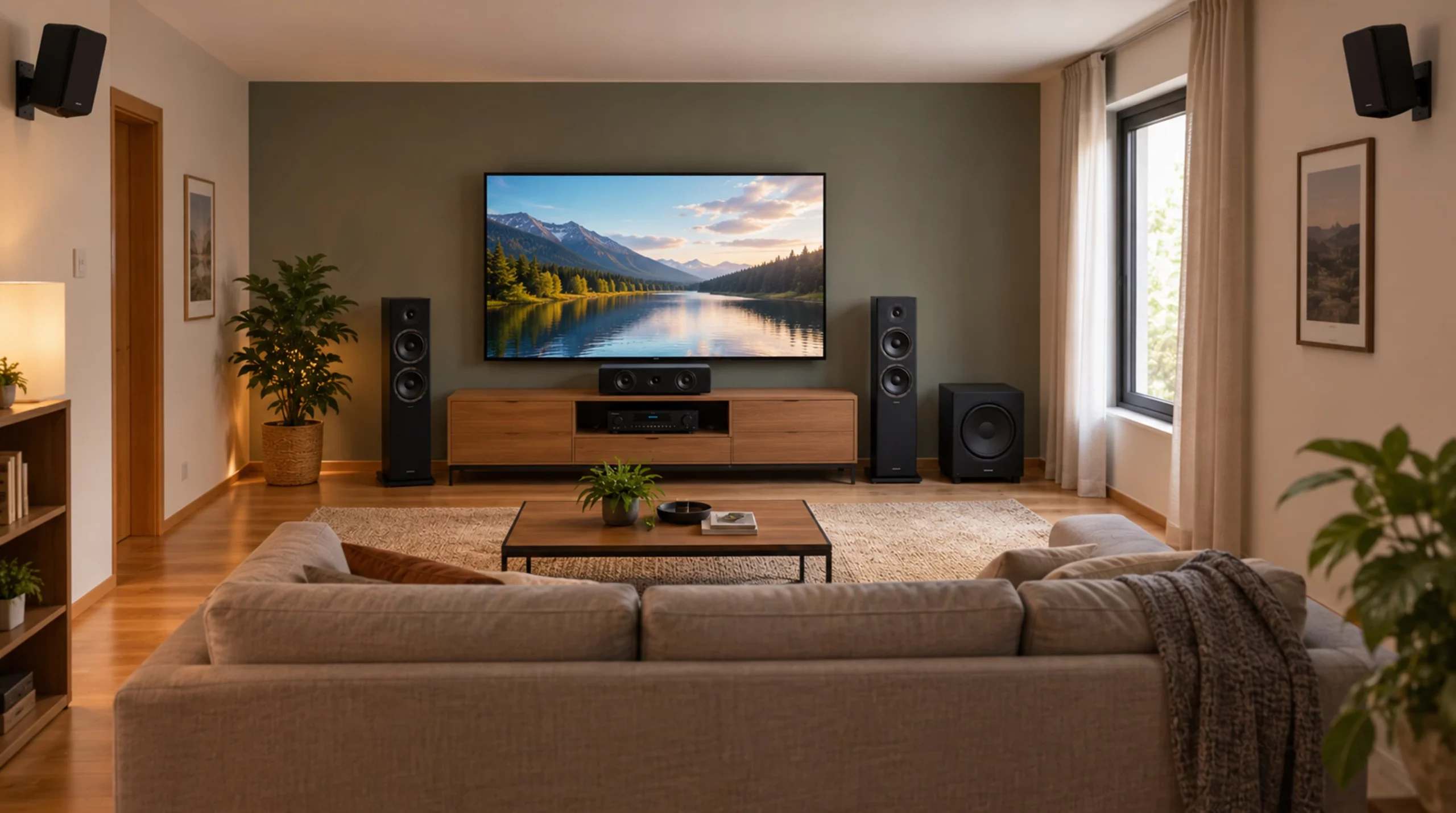
How to get 5.1 speaker placement right (angles and distances)

5.1 speaker placement

Good 5.1 speaker placement comes down to three angles and one distance: the center at 0° (straight ahead), the front speakers at ±30°, the surrounds at ±110°, all five the same distance from your sofa, with the tweeters at ear height. That is the reference layout for 5.1 (the ITU-R BS.775 Recommendation), the base Dolby

Decibel chart: how loud is every common sound

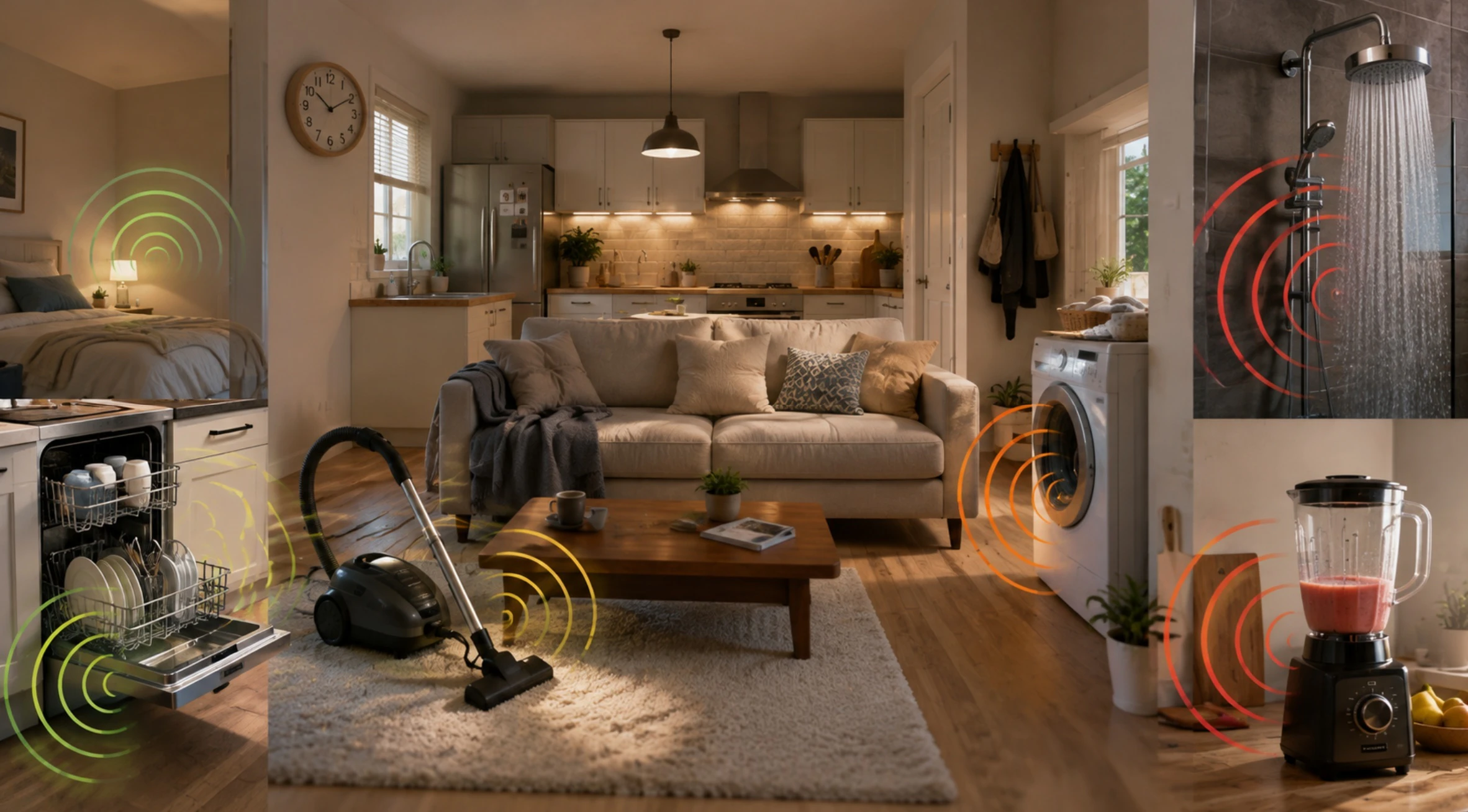
house dbs

Here is the reference decibel chart, running from 0 dB (the faintest sound you can hear) to 140 dB (a firecracker at arm’s length, where the damage is instant): a whisper sits around 20 dB, a conversation 60, a vacuum cleaner 70, a nightclub 100, and the front row of a concert 110. But there

Are Bluetooth turntables worth it? It depends on three things

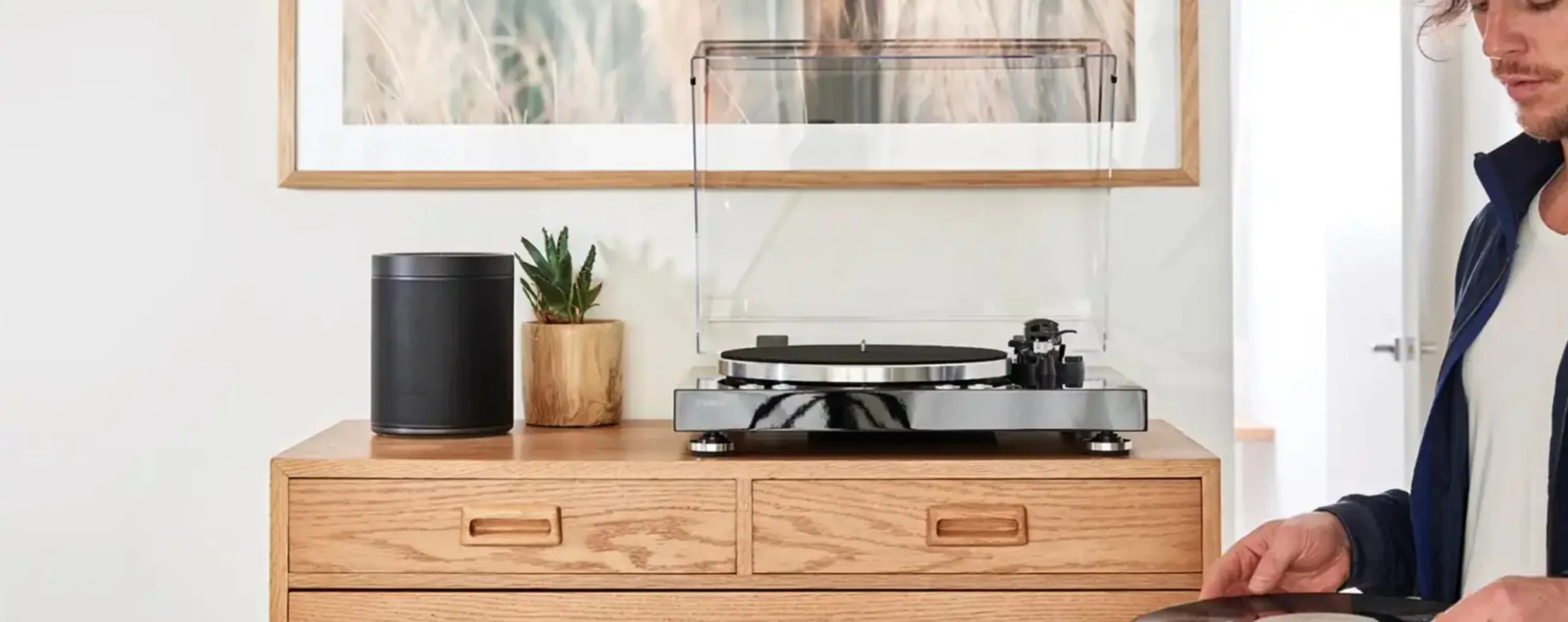
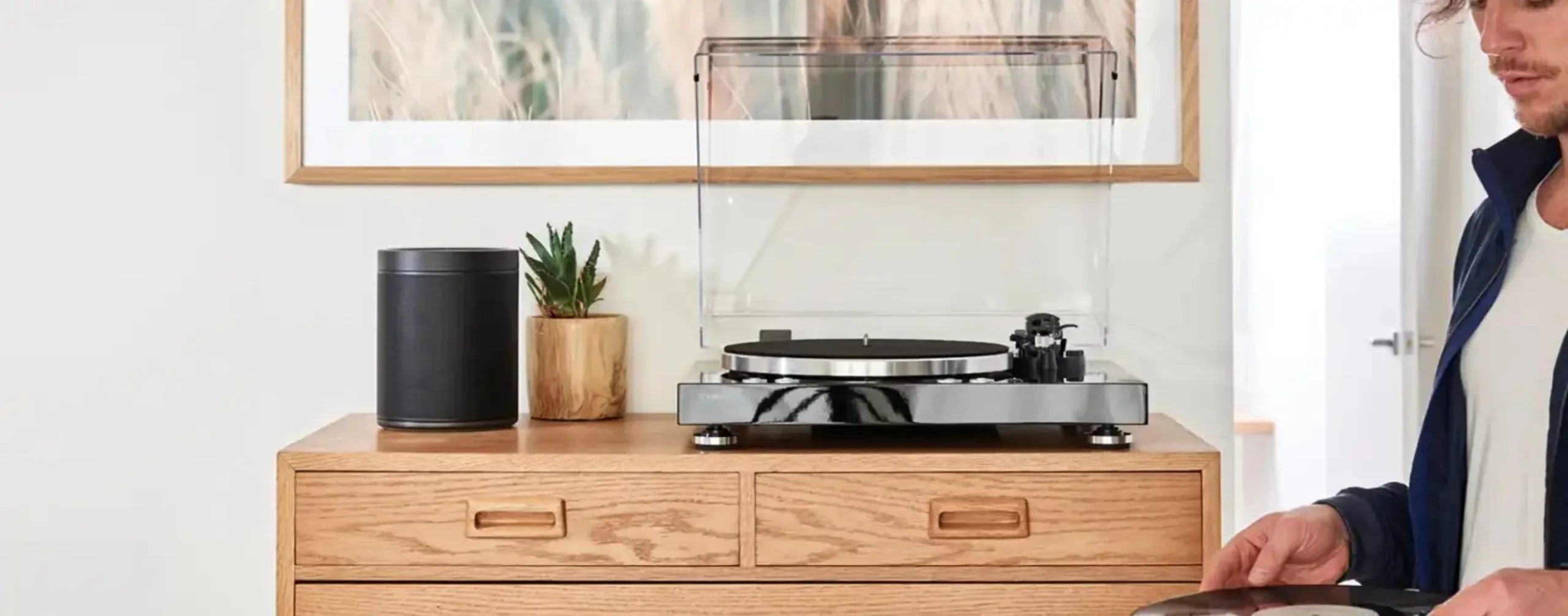
tocadiscos sobre mueble

Are Bluetooth turntables worth it? Yes – on one condition that has nothing to do with Bluetooth: a Bluetooth turntable is worth it if the deck underneath would still be a good deck with the radio stripped out. Bluetooth is just another output, like the RCA sockets next to it. What decides whether your records

When to replace earpads (and how to make your headphones last)

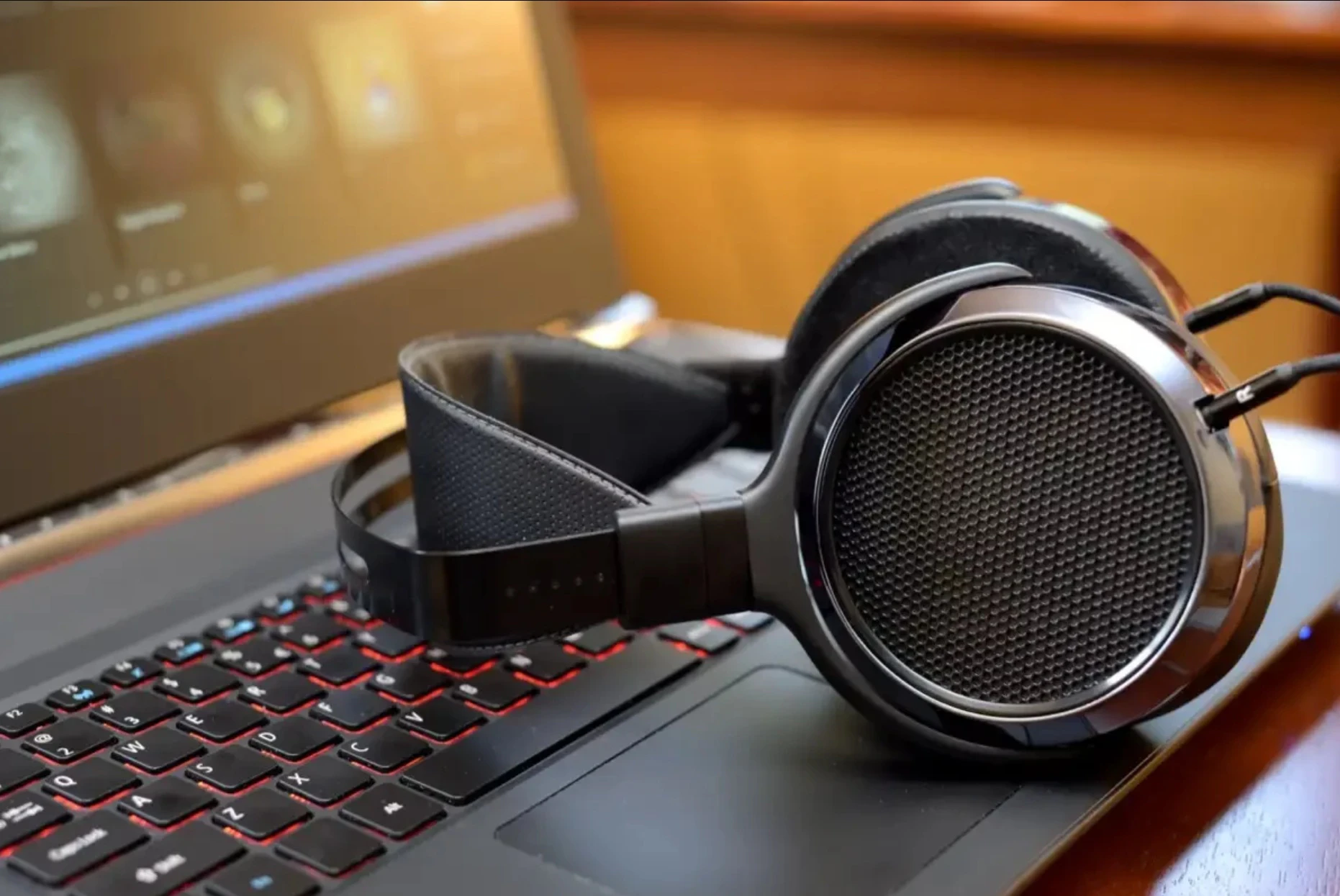
Headphones on a laptop

When to replace earpads is not a question of months on a calendar. It comes down to six signs: the foam no longer springs back when you press it, the surface cracks or flakes, bass sounds weaker than it used to, more outside noise gets in, you can feel the hard ring against your ear,

Pink noise vs white noise: what pink noise is actually used for

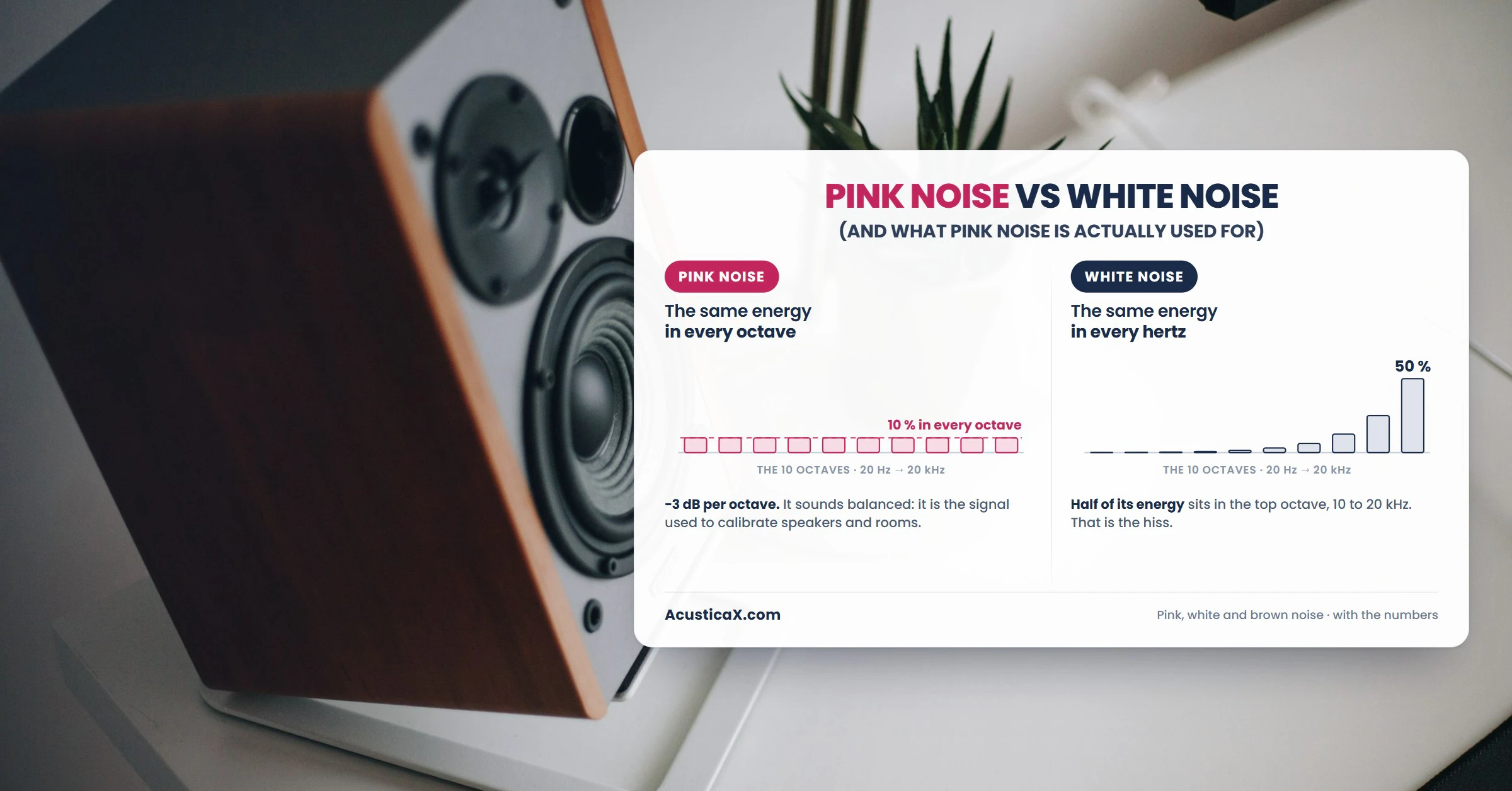
Pink noise vs white noise

Pink noise vs white noise, settled in one line: pink noise carries the same energy in every octave and therefore rolls off 3 dB per octave, while white noise carries the same energy per hertz – which packs half of its total energy into the top octave alone, from 10 to 20 kHz. That single

Surround sound not working: how to fix it (TV and receiver)

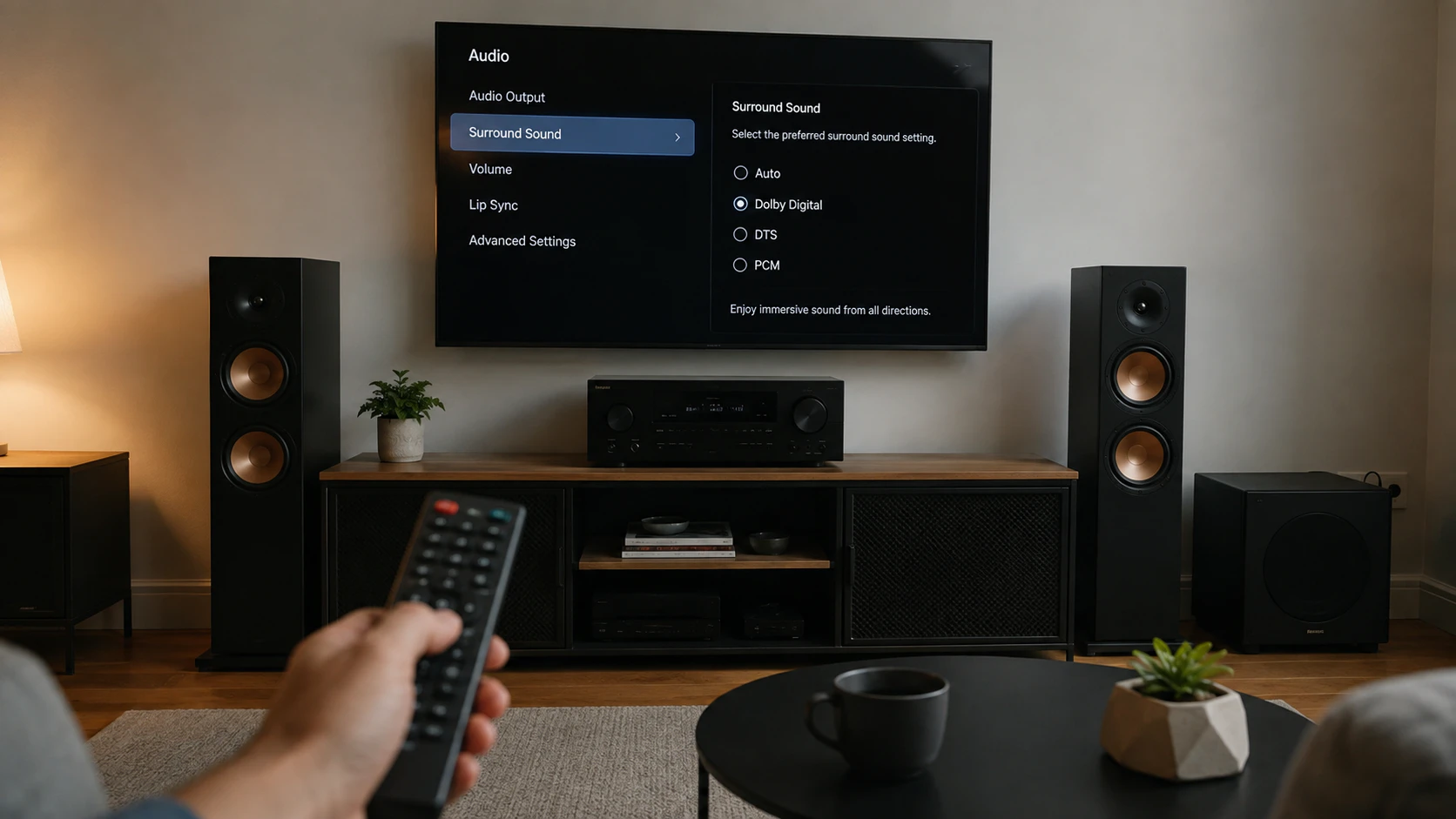
surround sound not working

Surround sound not working after a firmware update? It’s almost always because the update reset your audio output to stereo PCM, broke the HDMI-CEC/eARC handshake, or changed the format your TV sends out. Nothing is broken: it’s a matter of re-fixing three things – the digital audio output (set to passthrough/bitstream), the eARC/ARC + CEC

How to Store Vinyl Records So They Last a Lifetime

record player on cabinet

How to store vinyl records, in one sentence: upright, like books, somewhere stable at around 20 °C (68 °F) and 40-50 % relative humidity, away from sunlight and any heat source, in a polyethylene inner sleeve inside the jacket and a plastic outer sleeve around it, with dividers every 15 cm (6 in) so no

How many decibels are dangerous, and safe listening times

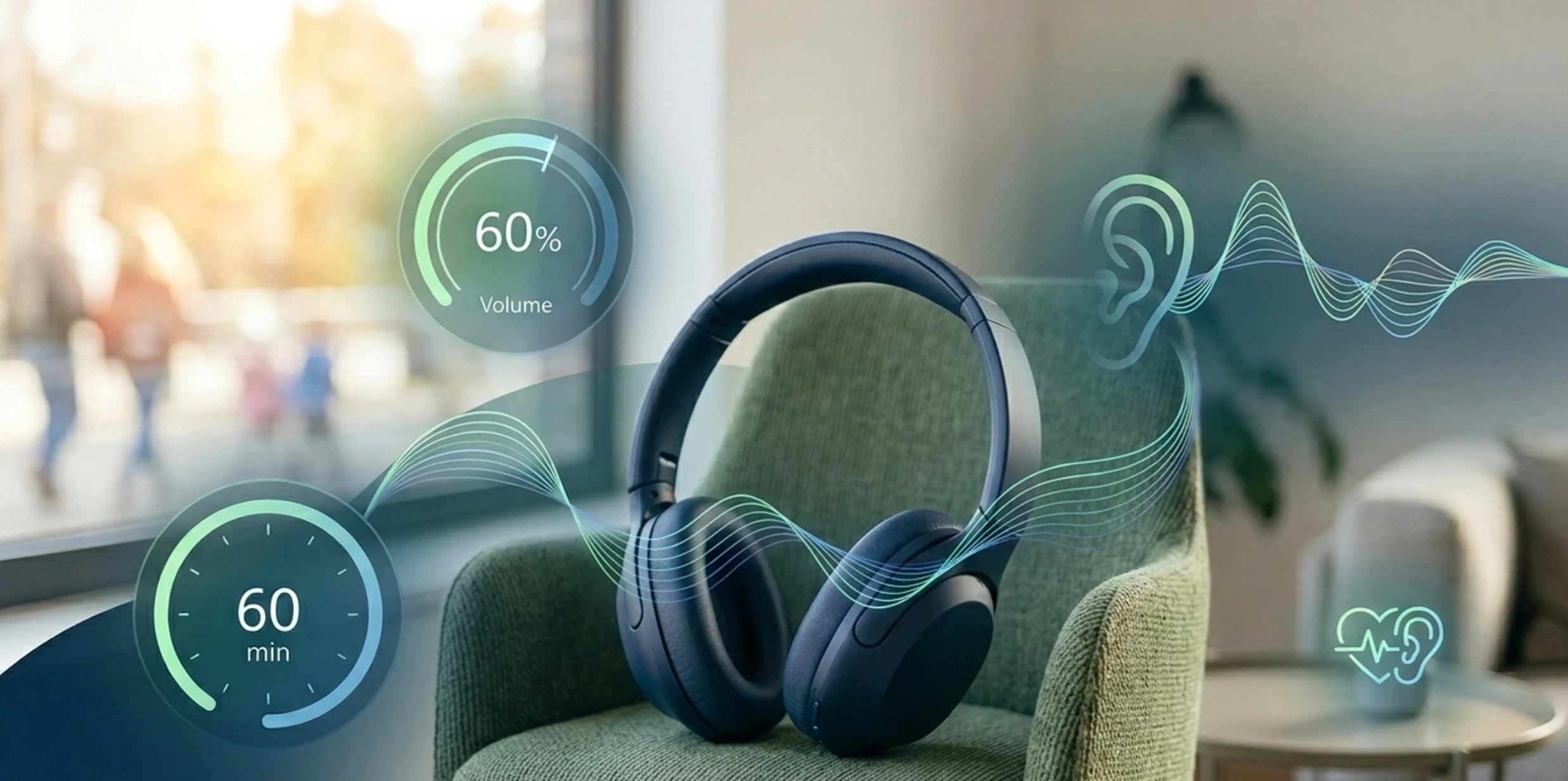
sound rule 60/60

Sound becomes dangerous above 85 decibels (dB) with prolonged exposure, and above 120 dB it can damage your hearing instantly. But the number that really matters isn’t just how loud it is, it’s how long: hearing damage is a dose, level times time. At 85 dB your ears can take about 8 hours; at 100

Who needs lossless audio (and how to check it)

Who needs lossless audio

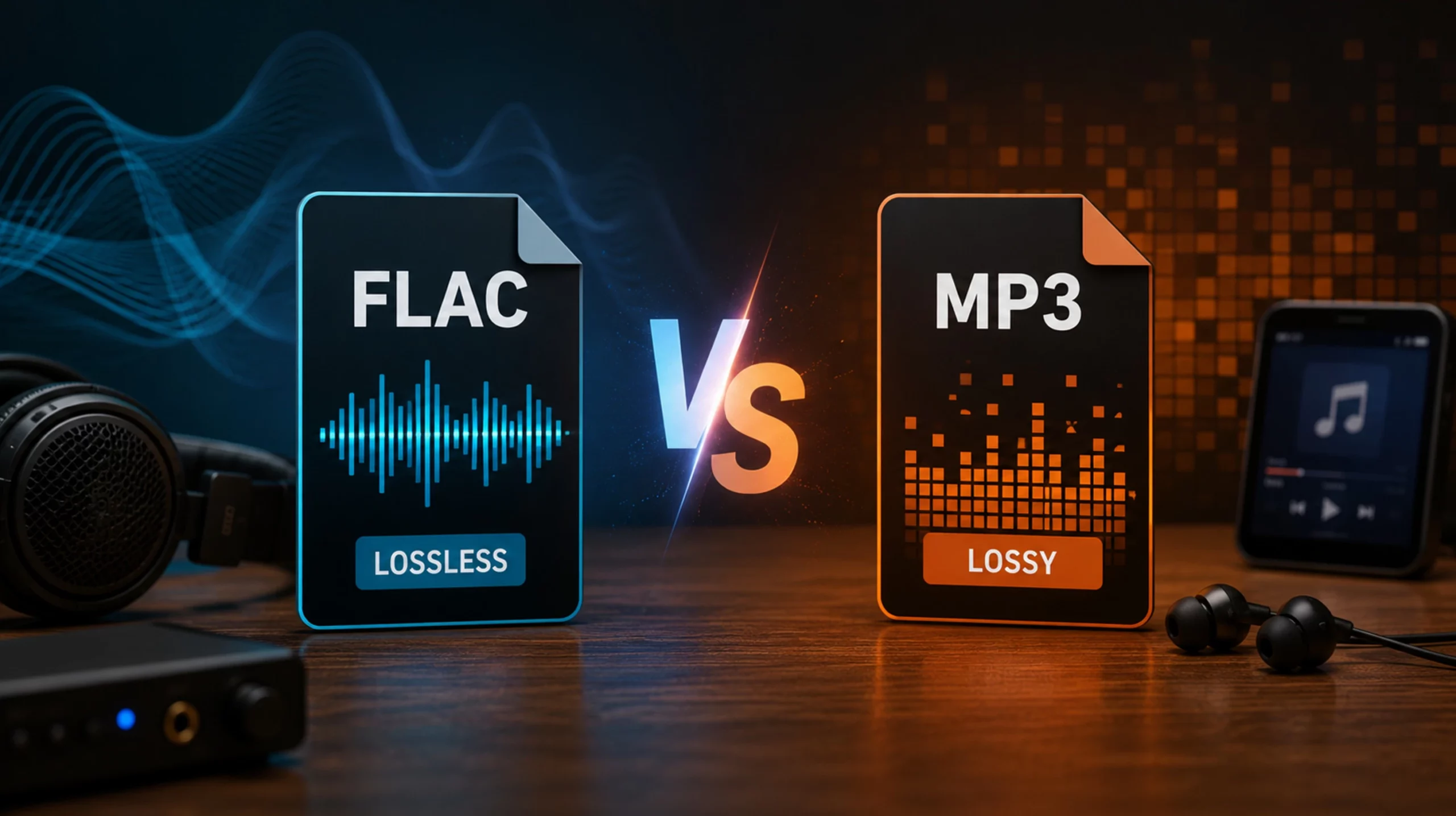
The short answer: lossless audio is worth it only if your whole playback chain preserves it, and for most people listening over Bluetooth it never gets that far. The lossless file isn’t the problem – it’s that between the file and your ears sits a chain: the wireless codec, the DAC, the headphones, the room,

Why is MP3 no longer enough, and which audio formats are most popular today?

formatos de audio

For decades, the MP3 marked a turning point in audio distribution by flooding devices with entire albums that took up a fraction of the space of WAV files. Today, that storage limitation is meaningless, since even the most basic cell phones typically exceed 64 GB, and bandwidth continues to grow unabated. Furthermore, encoding techniques have