Stereo vs. Surround Sound

estéreo vs surround

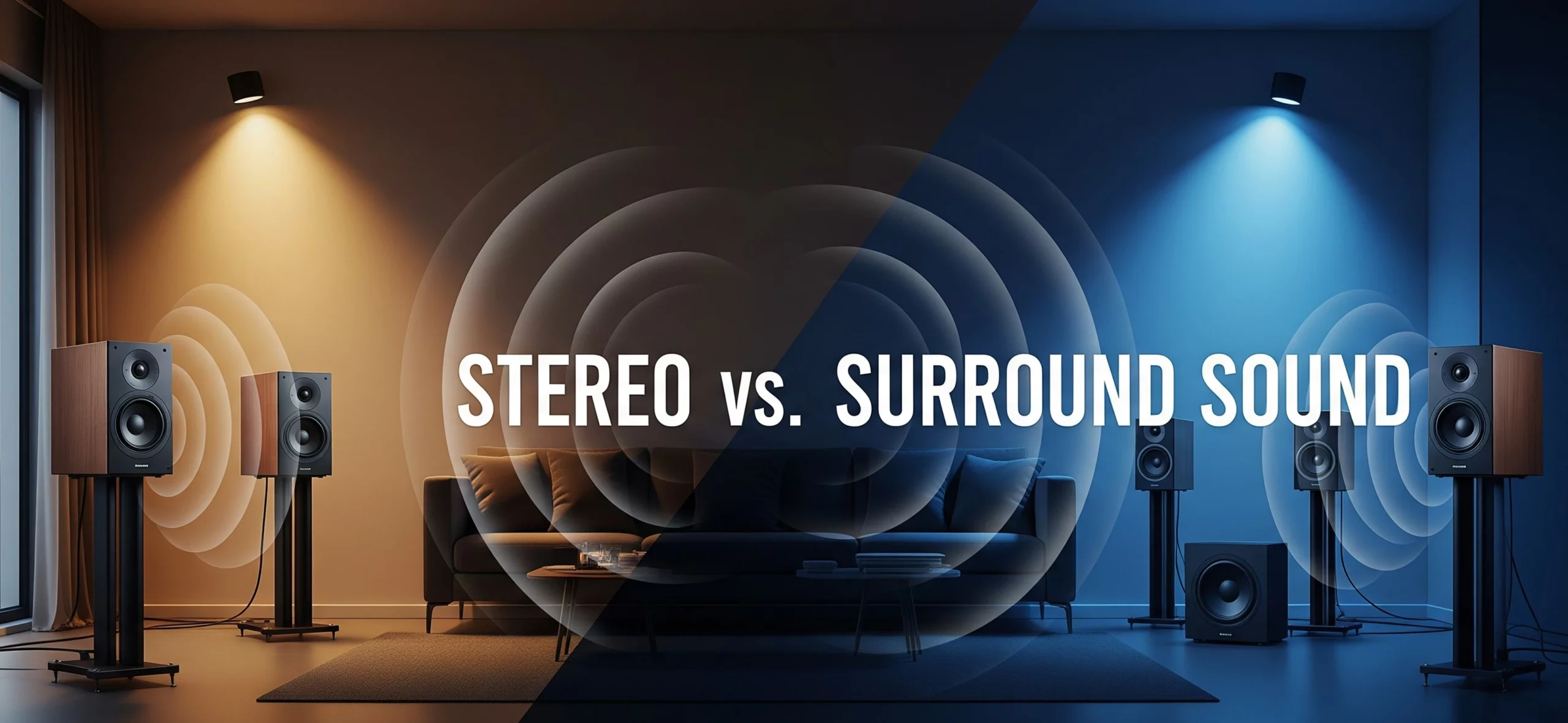
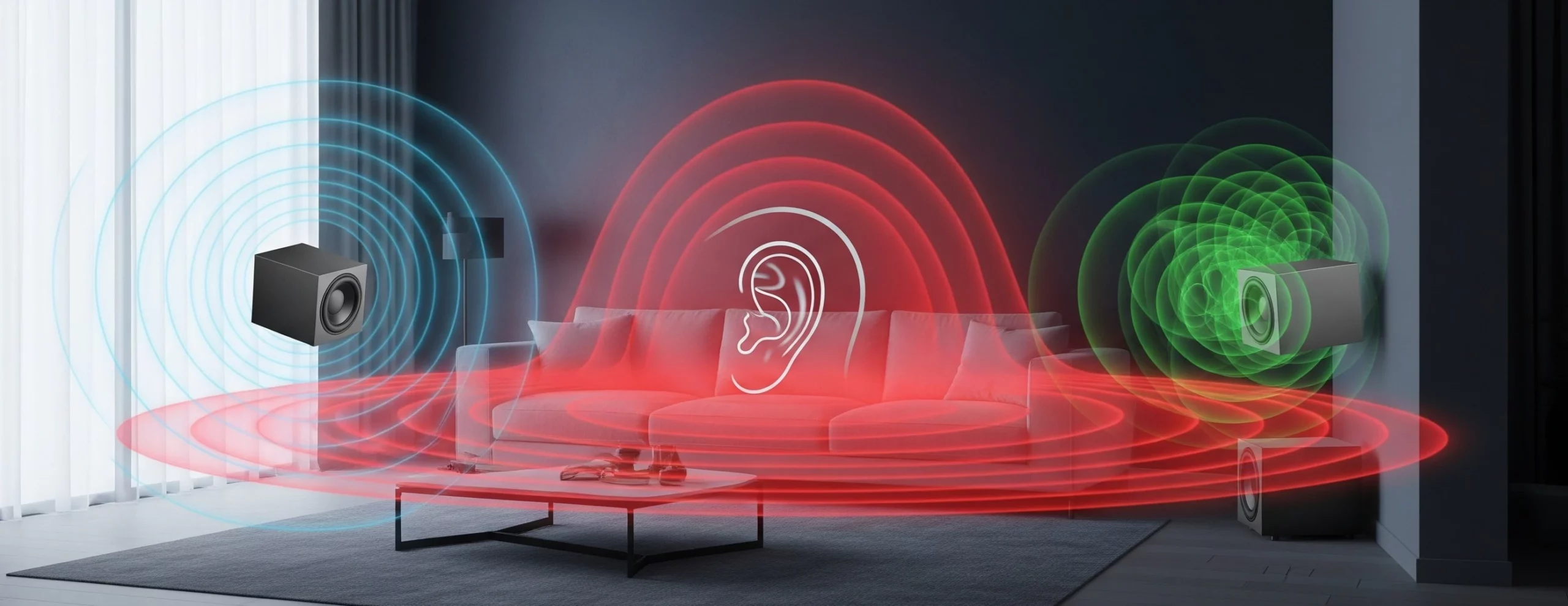
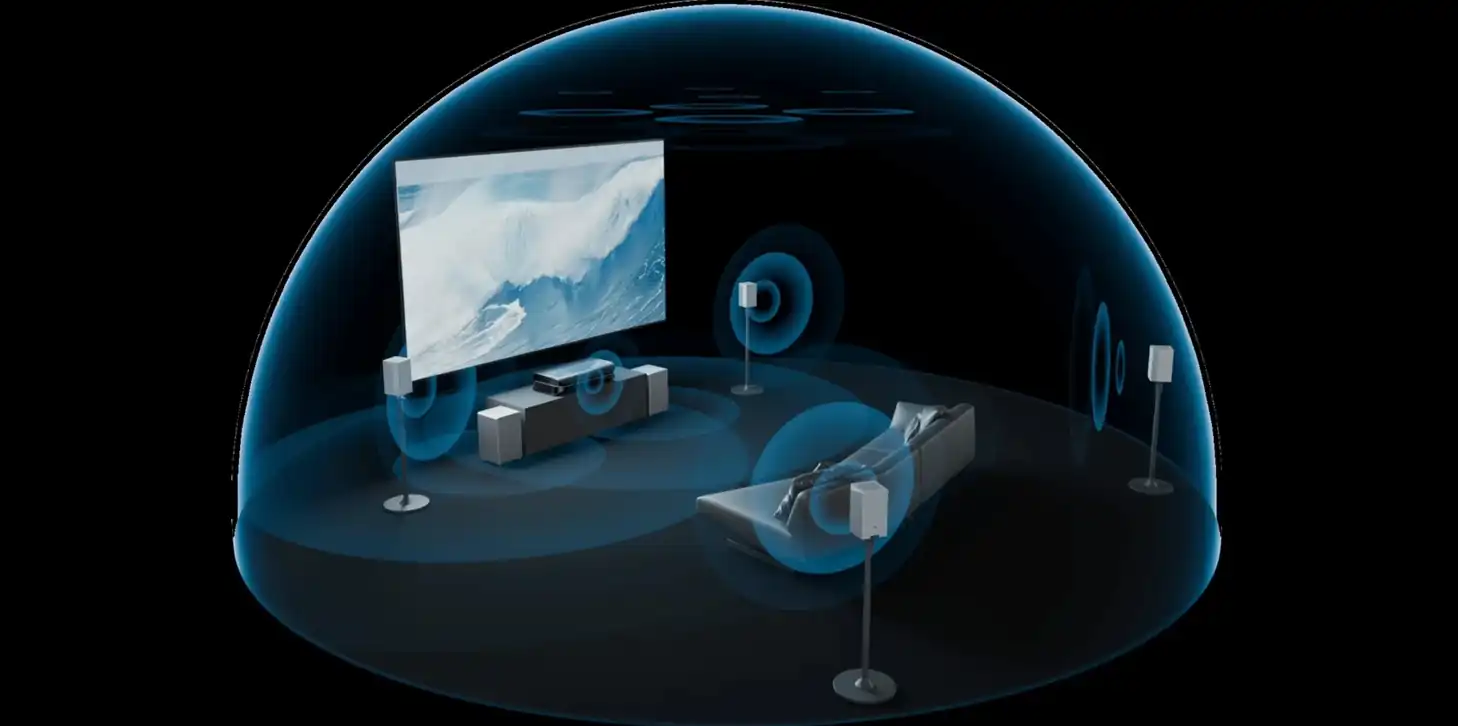
Surround sound is now the standard for many home theater setups, but it isn’t always the best solution. After testing various configurations and calibrations, what’s clear is that a good stereo system—two well-positioned channels plus a decent subwoofer—offers an immersive sound experience that, for the vast majority of people, rarely falls short of multichannel systems.

When to replace your turntable stylus

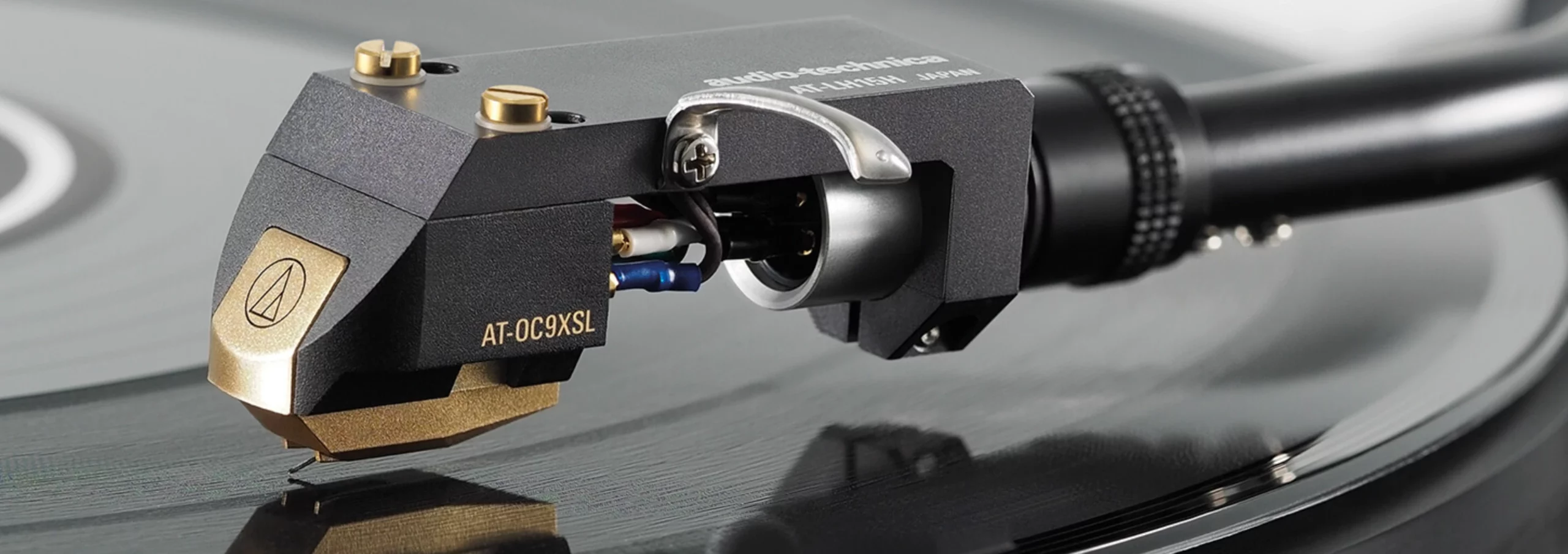
Close-up illustration of a turntable stylus resting in a record groove

The short answer: replace a turntable stylus every 500 to 1,000 playing hours – not after a set number of years. Put in usable terms: if you play a record a day, that is roughly every two years; if you play one a week, five years or more is fine. And if you own a

How to Choose the Perfect Cartridge for Your Turntable

cápsula tocadiscos

If you own an entry-level or mid-range turntable and your amplifier has a standard phono input, the short answer is this: a moving magnet (MM) cartridge with an elliptical stylus. It works with any phono stage, it lets you replace just the stylus when it wears out, and it is the biggest sound upgrade you

Equalizer settings by genre: what to change and why

ecualización sonido género

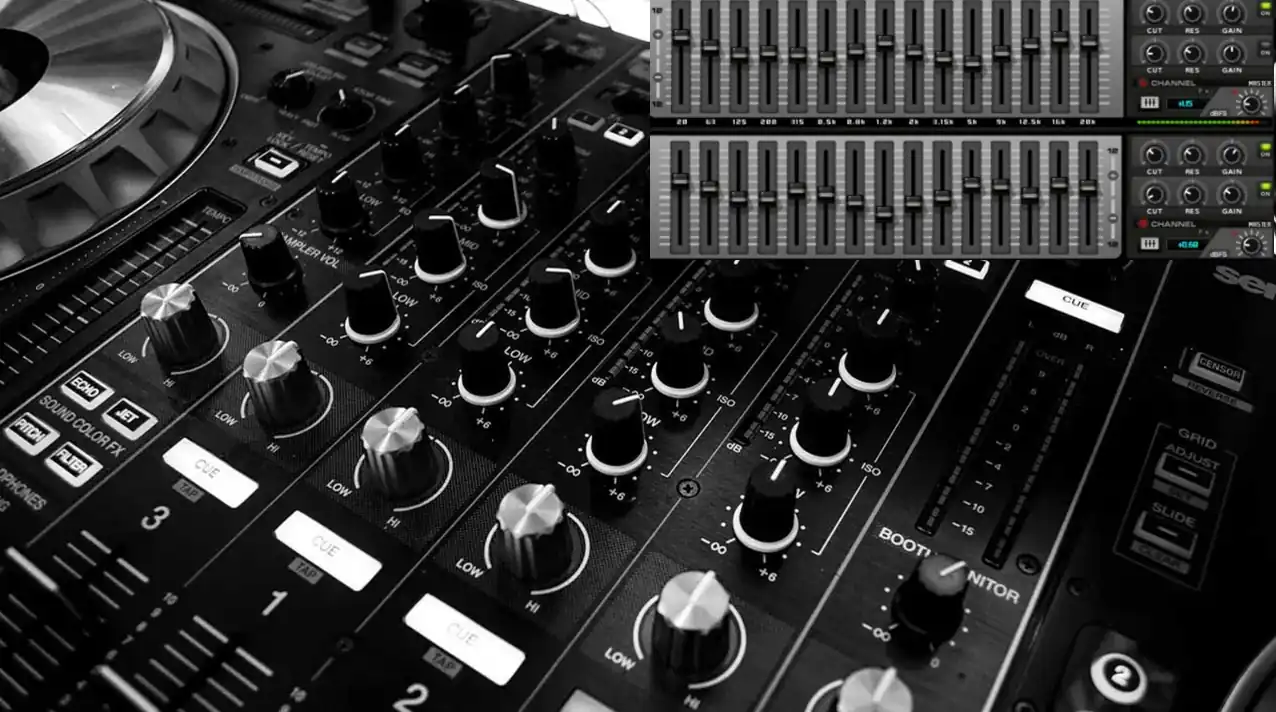
There is no single equalizer setting that works for everything. What does exist is three rules and a starting point per genre: move few bands, never go past ±3 dB, and cut before you boost. That alone will improve your sound more than copying any preset off the internet. And there’s something worth knowing before

A good turntable improves the sound quality of vinyl records

tocadiscos calidad

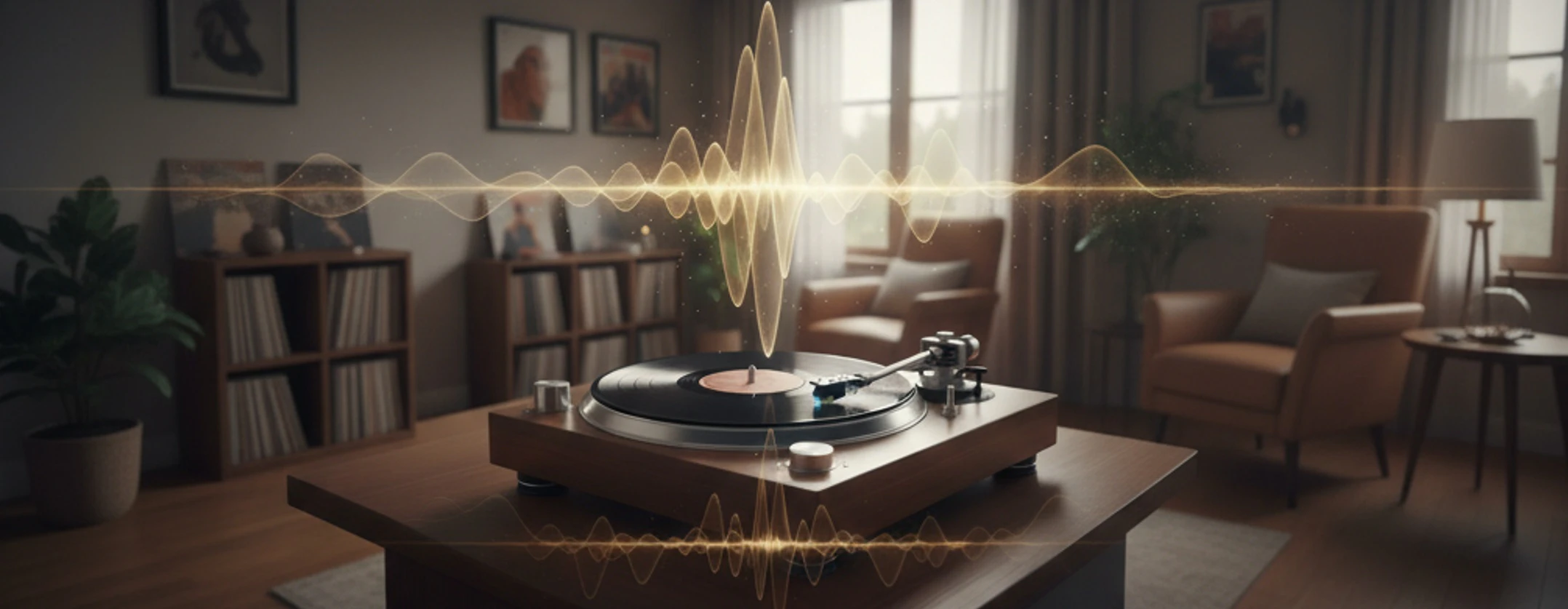
The sound quality of a vinyl record depends—more than many people realize—on the record player—also known as a turntable—that plays it. A poorly built turntable degrades sound quality and can accelerate vinyl wear. That’s why there are noticeable differences between inexpensive models and units designed with materials and technical solutions that minimize such interference. Lightweight

Where Should You Place the Subwoofer? Debunking the Old 80 Hz Myth

ubicaciĂłn subwoofer

This is a common question among those setting up a sound system: Does the subwoofer’s location matter when it comes to perceiving where the bass is coming from? The standard explanation points to the THX standards for movie theaters in the early 1980s, which set a crossover frequency around 80 Hz. That figure became established

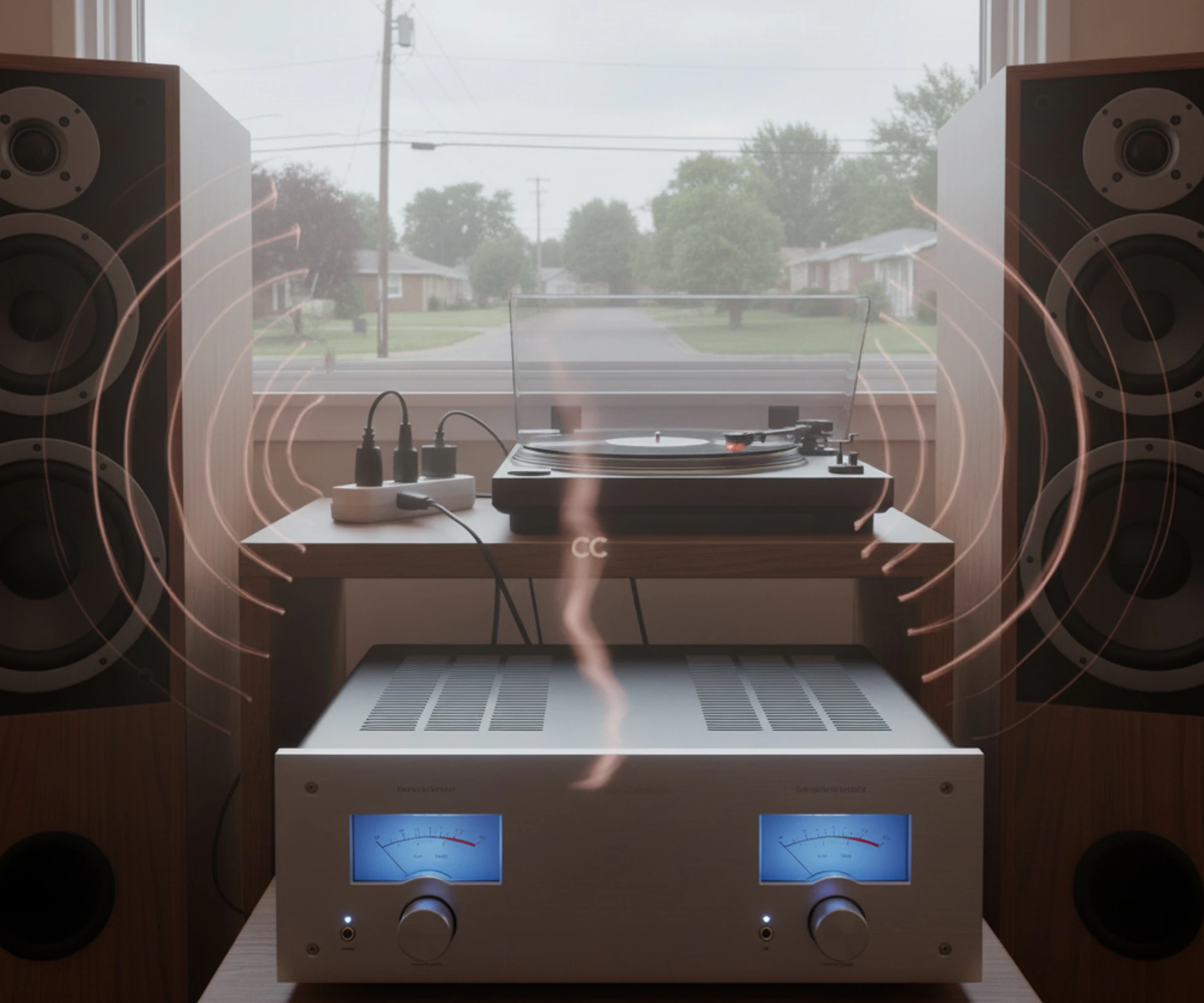
Direct current (DC) in the electrical grid is harmful to Hi-Fi systems

CC perjudica hi-fi

The growing presence of direct current (DC) in home electrical systems is taking its toll on high-fidelity (Hi-Fi) systems. What was once an almost trivial problem—minor distortions in the power supply—is now occurring more frequently and manifesting as background noise that does not originate from the speakers or the recording format, but rather from the

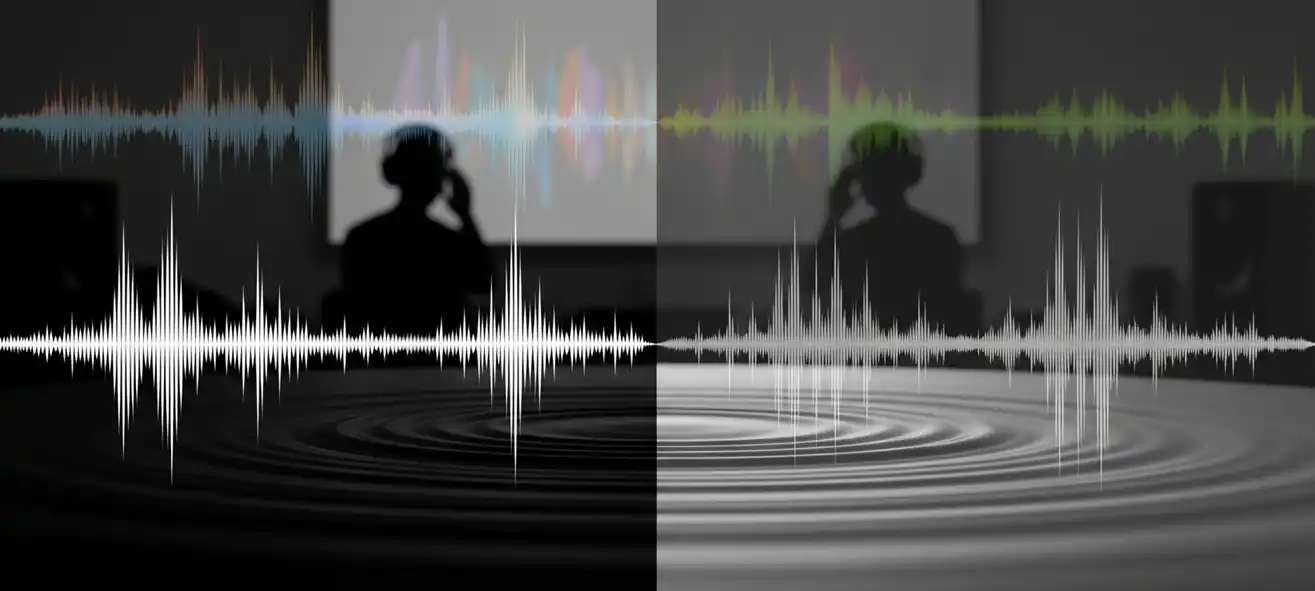
Is High-Resolution Audio Worth It? Myths and Realities

audio alta resoluciĂłn

The belief that more data always equals better sound quality stems from a misinterpretation of the technology. In the realm of images, a higher number of pixels does add sharpness, but when it comes to audio, exceeding certain limits is not only unnecessary but counterproductive. Sampling rate and bit depth are the two factors that

What should you keep in mind to achieve surround sound in small rooms?

sonido envolvente habitaciones pequeñas

Living in a small apartment doesn’t mean you can’t enjoy high-quality surround sound—as long as you know how to make the most of the options available. For those of us living in tight spaces, it’s possible to have an audio system that creates a three-dimensional sound experience without resorting to complex setups or disturbing the

How to Listen to Lossless Music with the Equipment You Already Have

música sin pérdidas

Simply put, lossless music refers to any digital music file that has not undergone a compression process that discards data. It should be noted that “lossless” is not a direct synonym for “high-resolution,” although much high-resolution audio is presented in this format. Nor is it necessarily equivalent to “CD quality,” although this term commonly refers